
How PayPal Is Turning Transaction Data Into an Ad Platform

Disclaimer: The opinions represented here are those of the individual and do not necessarily represent those of their current or former employer.
Payments companies have something most ad platforms do not have. They see what people actually buy. PayPal is now turning that advantage into an advertising platform by connecting ad exposure directly to real transactions.
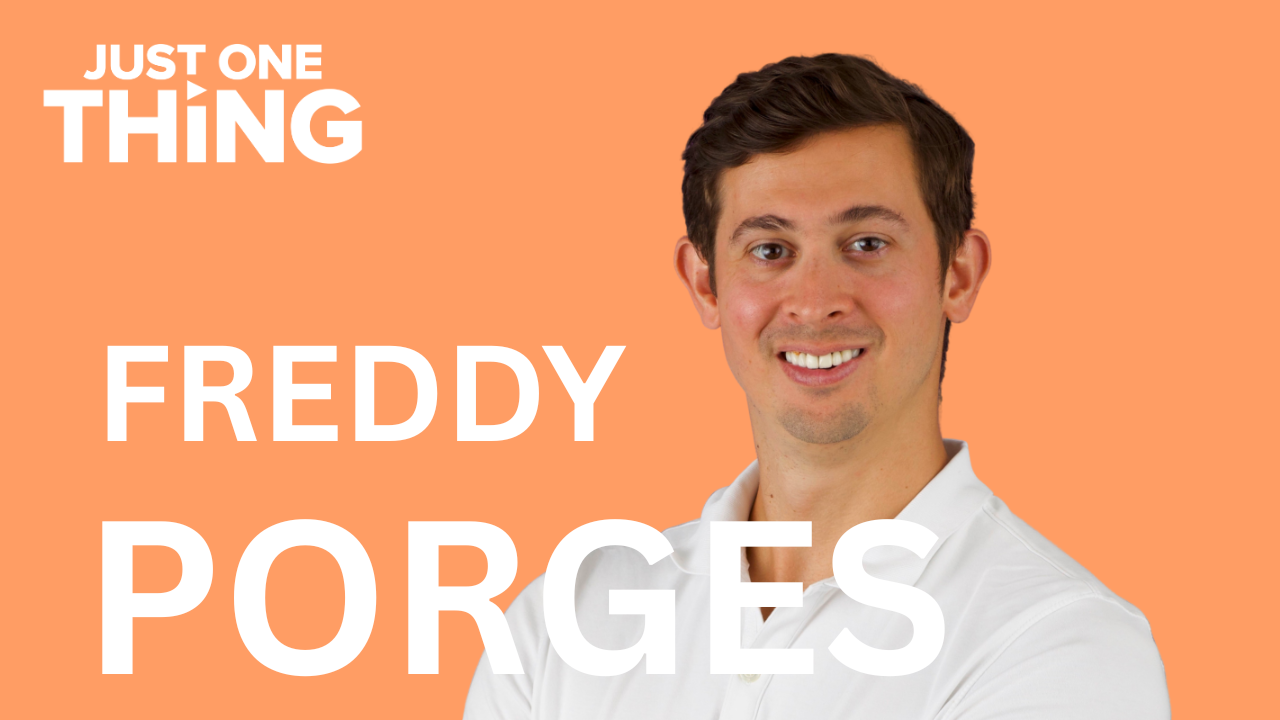
Freddy Porges is leading that effort. As Lead Product Manager for PayPal Ads, he is helping transform one of the world’s largest payments ecosystems into a performance advertising engine built on transaction data and closed loop measurement. He joined Dennis Mink on Just One Thing to share how this shift is reshaping advertising.
Subscribe and follow the Just One Thing podcast for more conversations with the operators shaping the future of the industry.
Key Takeaways
- Anchor your strategy in real purchase behavior, not proxy signals: Move beyond single-platform signals and tap into cross-retailer purchase behavior to better understand real consumer intent.
- Invest in closed-loop measurement to prove real business impact: Build systems that directly connect ad exposure to actual purchases, not just clicks or impressions.
- Design ads as end-to-end experiences, not just entry points: Reduce friction by enabling users to browse and buy directly within the ad experience.
- Navigate internal complexity to move new initiatives forward: Treat new ad products like startups and proactively collaborate across legal, finance, and engineering to move faster.
- Develop cross-functional fluency to strengthen execution: Ensure product teams can clearly articulate value to customers, not just define technical requirements.
Building Ads Where Transactions Actually Happen
Freddy Porges has spent his career moving closer and closer to the point where advertising meets real consumer behavior. He started on the sales side at Hulu, where programmatic was still emerging, and quickly saw how ad tech could reshape not just how media was bought, but how effectively it delivered on advertiser goals.
As he puts it, “It really opened my eyes to how ad tech could help influence and speed up a lot of the processes that we were taking… and how we could better meet their goals.”
That early exposure set the direction for the next decade. At Roku, he worked on the supply side of connected TV, helping build out the infrastructure that powers modern streaming advertising. At Uber, he moved into a marketplace environment, where ads are much closer to real world actions like rides and transactions. Each step brought him closer to the same core question. How do you connect media exposure to actual outcomes?
At PayPal, that question becomes much more tangible. Instead of relying on inferred signals like clicks or site visits, the platform is built on top of transaction data. Because PayPal sits directly within the payment flow, it has visibility into how people actually spend across merchants and categories. This fundamentally changes the type of data marketers can work with.
That visibility allows PayPal to move beyond siloed views of the customer. By combining transaction data with signals from Venmo and product discovery activity from Honey, the platform can build a much richer understanding of consumer behavior. Porges notes that this enables “really complex user profiles that speak to affinity for certain products and categories,” giving marketers a clearer picture of what people are likely to do next. That shift gives marketers a more reliable foundation for targeting and planning in a signal-constrained environment.
Closing the Loop From Exposure to Purchase
Measurement has always been one of the hardest problems in advertising. Even today, much of performance marketing relies on proxies. Clicks, impressions, and modeled conversions still dominate how campaigns are evaluated, especially as privacy changes have made deterministic signals harder to access.
What PayPal is building changes that dynamic by directly linking ad exposure to transaction data. As Porges explains, “We can connect that transaction data to the advertising exposure that we’re helping activate,” creating a much clearer line between media and outcomes.
That connection allows marketers to answer a question that has historically been difficult to prove. Did this ad actually drive a purchase? Instead of relying on attribution models, PayPal can validate outcomes through its own data. Porges puts it simply. “We can show within our transaction data that someone has actually bought the product after seeing the ad.”
This has real implications for how campaigns are run. Performance is no longer measured through engagement alone. It can be evaluated based on actual revenue impact. Optimization decisions become more grounded because they are based on what people truly do, not what they might do. Budget allocation can shift toward channels that consistently drive purchases rather than those that generate surface level activity.
When Ads Become Storefronts
While better data and measurement improve what happens behind the scenes, PayPal is also rethinking the role of the ad itself. Traditional advertising separates discovery from conversion. A user sees an ad, clicks through to a site, browses products, and eventually completes a purchase. Each step introduces friction and creates opportunities for drop off.
PayPal’s approach is to remove as many of those steps as possible. Its shoppable ad format brings the shopping experience directly into the ad, allowing users to browse products and complete transactions without leaving the placement. As Porges describes it, “Our shoppable ad unit allows a user to buy a product through PayPal from the ad directly.”
This fundamentally changes how the funnel works. Discovery, consideration, and conversion can all happen within a single interaction. For marketers, that shift requires a different way of thinking about creative. The ad is no longer just a message designed to drive traffic. It becomes an experience that needs to support browsing, exploration, and decision making. In this model, the ad is no longer just a touchpoint. It becomes the conversion environment itself.
Building a Startup Inside an Enterprise
Building an ads business at a company like PayPal comes with a unique set of challenges. While the opportunity is large, the process is not as simple as launching a new product in isolation. It requires navigating an established organization with its own systems, priorities, and ways of working.
Porges describes the experience as “almost like a startup within the broader company,” which captures both the speed required and the complexity involved.
On one hand, the team needs to move quickly, test new ideas, and iterate based on what works. On the other, they need to align with legal, finance, engineering, and other functions that are critical to how the company operates. That balance requires a deep understanding of how to get things done within the organization.
“You need to make sure that you understand their processes… and how you can ultimately get things done,” Porges explains, highlighting the importance of internal alignment.
Why Product Managers Need to Think Like Salespeople
One of the more distinctive aspects of Porges’ background is that he started in sales before moving into product management. That experience continues to shape how he approaches his role and how he thinks about building products that resonate in the market.
“The best product managers really have to do a bit of both,” he says, referring to the balance between technical understanding and the ability to communicate value.
For Porges, product development is not just about defining features or writing requirements. It starts with understanding why the product matters and how it will be positioned to customers. That perspective informs how requirements are communicated internally and ensures that what gets built aligns with real market needs.
“If you can’t really understand the value of the product… then you’re not going to be able to communicate those product requirements back to engineering,” he explains.
The Future of Advertising Lives Closer to the Transaction
What Porges is building at PayPal reflects a broader shift that is already underway across the industry. Advertising is moving closer to the point of transaction, where intent, exposure, and purchase can be connected within a single system.
As that shift continues, the platforms that win will be the ones that can combine data, media, and commerce into a unified experience. For marketers, the opportunity is not just to adapt to these changes, but to rethink how campaigns are built from the ground up. The closer those campaigns get to real consumer behavior and real outcomes, the more effective they will become.
If you are looking to drive more predictable growth in a fragmented ecosystem, get in touch with Bidease to better connect your media to real business outcomes.

Customer retention is the key
Lorem ipsum dolor sit amet, consectetur adipiscing elit lobortis arcu enim urna adipiscing praesent velit viverra sit semper lorem eu cursus vel hendrerit elementum morbi curabitur etiam nibh justo, lorem aliquet donec sed sit mi dignissim at ante massa mattis.
- Neque sodales ut etiam sit amet nisl purus non tellus orci ac auctor
- Adipiscing elit ut aliquam purus sit amet viverra suspendisse potent
- Mauris commodo quis imperdiet massa tincidunt nunc pulvinar
- Excepteur sint occaecat cupidatat non proident sunt in culpa qui officia
What are the most relevant factors to consider?
Vitae congue eu consequat ac felis placerat vestibulum lectus mauris ultrices cursus sit amet dictum sit amet justo donec enim diam porttitor lacus luctus accumsan tortor posuere praesent tristique magna sit amet purus gravida quis blandit turpis.

Don’t overspend on growth marketing without good retention rates
At risus viverra adipiscing at in tellus integer feugiat nisl pretium fusce id velit ut tortor sagittis orci a scelerisque purus semper eget at lectus urna duis convallis porta nibh venenatis cras sed felis eget neque laoreet suspendisse interdum consectetur libero id faucibus nisl donec pretium vulputate sapien nec sagittis aliquam nunc lobortis mattis aliquam faucibus purus in.
- Neque sodales ut etiam sit amet nisl purus non tellus orci ac auctor
- Adipiscing elit ut aliquam purus sit amet viverra suspendisse potenti
- Mauris commodo quis imperdiet massa tincidunt nunc pulvinar
- Adipiscing elit ut aliquam purus sit amet viverra suspendisse potenti
What’s the ideal customer retention rate?
Nisi quis eleifend quam adipiscing vitae aliquet bibendum enim facilisis gravida neque euismod in pellentesque massa placerat volutpat lacus laoreet non curabitur gravida odio aenean sed adipiscing diam donec adipiscing tristique risus amet est placerat in egestas erat.
“Lorem ipsum dolor sit amet, consectetur adipiscing elit, sed do eiusmod tempor incididunt ut labore et dolore magna aliqua enim ad minim veniam.”
Next steps to increase your customer retention
Eget lorem dolor sed viverra ipsum nunc aliquet bibendum felis donec et odio pellentesque diam volutpat commodo sed egestas aliquam sem fringilla ut morbi tincidunt augue interdum velit euismod eu tincidunt tortor aliquam nulla facilisi aenean sed adipiscing diam donec adipiscing ut lectus arcu bibendum at varius vel pharetra nibh venenatis cras sed felis eget.

Let's Talk
We're Here to Help
Start your free consultation today. Create a custom growth strategy with a Bidease specialist.